$ open guides/claude-md-token-rules
FreeClaude CodeCLAUDE.mdTokens
6 lines in CLAUDE.md that stop Claude Code burning your tokens
Most of your usage goes not on code but on the conversation Claude carries with every message. Here is a ready block: copy it, paste it at the end of the file and type /clear.

What you'll get
5 sections5 steps2 prompts
Why it works
6 lines
take almost no room
and they save on every message that follows
under 200
lines is the CLAUDE.md size the docs advise
the file is read every session, even when it is not needed
1 hour
is how long the cache lives on a subscription
5 minutes on an API key; after a break the full context is reprocessed
01Copy this
The CLAUDE.md block
Paste it at the very end of the file. Nothing else needs to change.
016 lines of context economy
## Context economy

- Search first, then read: find the right spot with search and open only that part, not the whole file.
- Hand wide project exploration, long logs and test output to a subagent. It returns only a short summary to this conversation.
- Show only the changed lines. Print a whole file only when I ask.
- Do not repeat what we already agreed on or what I wrote myself.
- When the task changes or the conversation grows long, suggest /clear or /compact.
- Keep replies short: the result and the next step. Details only on request.
It pays off most in projects with long sessions.
02If your CLAUDE.md already has many rules
This prompt checks that the block does not clash with what you already wrote.
Read our CLAUDE.md. Find rules that conflict with the "Context economy" section or repeat it. Show me the list and suggest edits. Change nothing until I confirm.02One minute
How to install the block
Five steps, no settings involved.
Open CLAUDE.md
It sits in the project root. No file yet? Type
/initand Claude creates it.CLAUDE.mdPaste the block at the end
Copy the six lines above and save the file.
Type /clear
The command starts a new session, and CLAUDE.md is read at the start of each one. That is how Claude sees the new rules.
/clearCheck it
Ask: "Which context economy rules do you see?" Claude should list all six.
Turn it on everywhere
Want the rules in every project? Put the block in
~/.claude/CLAUDE.md, your personal file.
03Breakdown
What each line does
Claude Code sends the full conversation with every request, and each tool call is one more request. So anything extra that lands in the conversation gets paid for again and again. These lines keep it out.
1. Search first
A thousand-line file opened for one function stays in the conversation until the session ends. Search brings back only the part you need.
2. Hand exploration to a subagent
It works in its own separate context. The files and logs it finds stay there, and only the summary reaches your conversation.
3. Only the changed lines
You are reviewing an edit, not the whole file. A diff is short, so no extra text settles in the conversation.
4. No repeating what is settled
Restating decisions adds nothing to the work, yet it lands in the conversation one more time.
5. Suggest /clear or /compact
/clearstarts clean when the task is new./compactcondenses the conversation when you carry on with the same work.6. Keep replies short
Long replies cost twice: once to write and again on every later request that carries them.
04Check
How to see the result
Watch the usage
/usageshows what you have spent/contextshows what is taking up the context now- Compare two similar tasks, before the block and after it
Watch the behaviour
- Claude searches first and opens the file after
- Large exploration goes to a subagent
- When the task changes, Claude suggests /clear itself
05
Where the block will not help
- 01
CLAUDE.md is context for Claude, not enforced configuration. It tries to follow the rules but may decide one does not apply. For a hard block you need a hook.
- 02
A subagent spends tokens too: its requests count toward the same limit. It pays off on large exploration, while a small search is simpler in the conversation itself.
- 03
How much you save depends on your project and habits. So compare your own numbers in
/usage, not someone else's percentages. - 04
Learning and want explanations? Just ask for detail: the sixth line allows it.
- 05
Six lines cost little, a huge CLAUDE.md costs a lot. If the file grows past 200 lines, move rare instructions into skills, which load only when needed.
Sources
Go deeper
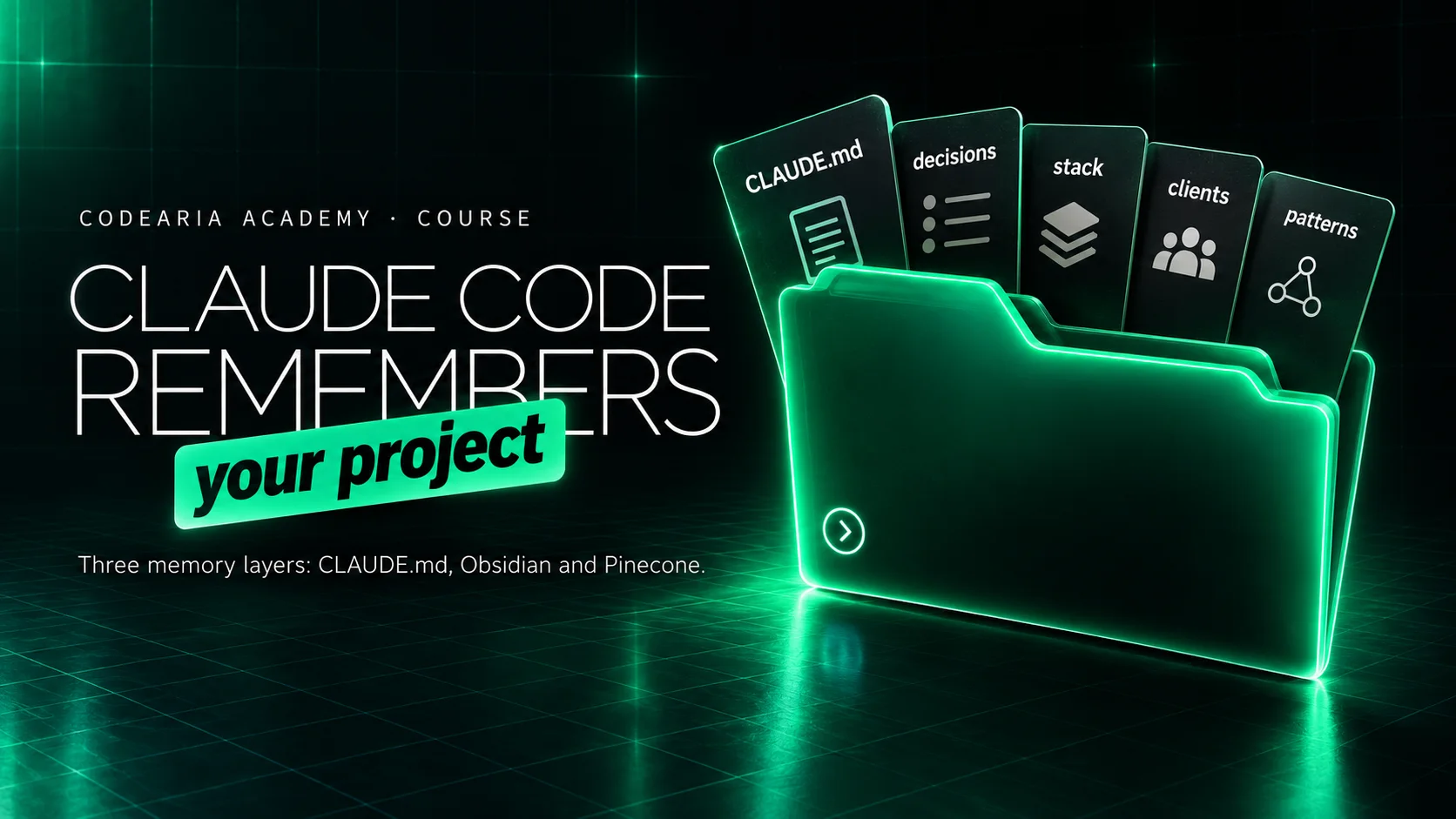
Claude Code Memory: A Custom Brain for Every Project
Six lines are only the start. In the course we set up Claude Code so it remembers your project between sessions and spends no tokens on repeat explanations.
$44.90 · one payment, lifetime access
More guides on this topic
All guidesRead next
 Claude Code · PrivacyClaude, do not let me get sued: a 20-point promptCopy one prompt into Claude Code before launch. Below, each point in short: why it matters, how to check it yourself and a link to the official source.Nov 25, 2026
 Certificates · Generative AI11 certificates in a weekend: links and what you really getThe full list from the video in the same order. Each item has a direct link, time, price and an honest note: certificate, badge, profile mark or no confirmed document.Nov 24, 2026
 Claude Code · PerformanceClaude, do not let my app be slow: a 17-point promptCopy one prompt into Claude Code before launch. Below, each point in short: why it slows the app, how to check it yourself and a link to the docs.Nov 24, 2026
Comments